A Borrower’s Guide to Managing the Lending Process

Most commercial real estate borrowers will deal with a commercial bank on transactions up to $10,000,000, although some small life companies may welcome deals close to $10,000,000. In addition, Commercial Mortgage Backed Securities lenders will sometimes make loans under $10,000,000 for quality income properties. Getting a bank loan is a process that takes time—sixty to ninety days is typical.

A CRE purchase contract often will involve a contract contingency for financing. The financing contingency must be satisfied within the contractual time period or the borrower could forfeit the contract’s earnest money deposit. So the clock is ticking for borrower, the lender selected, the real estate agent, title company, and any attorney involved in the transaction. Once the purchase contract is executed and loan application made, the deal is still a long way from being done. A hands-on approach for the borrower is imperative to get to closing. As a former lender, I am familiar with the many hiccups and derailments that can occur during the loan application and approval process.

Thirty years ago, loan officers had substantial lending authority. When I left banking my authority was $5,000,000. Today, most loan officers have been schooled and equipped with only the most rudimentary tools, and are not qualified to assess risk. The actual loan authority now usually rests with a “ loan committee” which includes an analyst and other bank lending officials. Remarkably, the frontline person the borrower is dealing with is marginalized. Moreover, the borrower may not have a qualified person advocating for the loan.

When I refer to managing the lending process I am suggesting that the borrower and the borrower’s real estate agent, closely monitor and oversee the requirements of the lender, compliance with the purchase and sale contract (PSA), and the time limits for each step along the way. As a caveat, if this is not done, surprises are common that can either delaying or jeopardize the entire deal.

The following bullet-points (no order) will go a long way towards nurturing your deal to the finish line:

  • KNOW YOUR OWN FINANCIAL CAPABILITY! Check your credit before loan application, prepare a personal financial statement, and assemble the last three years of tax returns. You will be doing everyone a favor and troubleshooting the process. The lender will require this information in any event.
  • If the purchase is an investment, I strongly recommend preparation of a preliminary cash flow analysis. Generally, lenders will require a benchmark 1.2 to 1.5 loan to debt service coverage to make the grade. The National Association of Realtors, via their RPR (www.narrpr.com) subsidiary offers easy to use software that can turn around an analysis in 20 minutes. Again, this is a preliminary run. The bank analyst will do a more sophisticated ARGUS analysis as well.
  • Assist, Prior to loan application, shop the lenders for expressions of lender interest, interest rates, and terms. Lenders are competitive but some will show more appetite than others.
  • Establish and fully understand the approval procedure of the lender (individual or committee).
  • Understand whether the loan is non-recourse, recourse, and the extent of any guarantees.
  • While I do not recommend applying to multiple lenders, identify a backup lender.
  • Be proactive and troubleshoot the process.
  • Assist with due diligence and track contract and loan application compliance.
  • Assess any environmental or appraisal issues at the onset.
  • Be certain as to the timeline for receiving a final approval letter from the lender, and note any contingencies in that letter.
  • Anticipate and complete any purchase contract and financing contingencies.
  • If the deal is a 1031 tax deferred exchange for either party, compliance with the IRS Code time limits is crucial.
  • Make sure the designated settlement firm gets a preliminary title report to unearth any issues early on in the loan process.

The foregoing are just a few suggestions to put on your “checklist”.

Next: Please look for discussions involving life companies, CMBS (Commercial Mortgage Backed Securities), and alternative financing, “How do I Select a Commercial Real Estate Agent?”, “Managing the IRS Section 1031 process, “and “How to Look for Office Space?”?

Most CRE borrowers will deal with a commercial bank on transactions up to $10 million, although some small life companies may welcome deals around $10 million, and CMBS lenders on smaller net-leased transactions. Getting a bank loan, of course, is a process.

We did it again –

Sunstar

Weichert Commercial Elkins Lane Realty Advisors is proud to announce that it has completed its tenant representation of Sunstar Strategic—an Alexandria, Virginia based media relations and marketing communications firm. Acting as Sunstar’s exclusive tenant representative, Elkins Lane Realty Advisors (“ELRA”) scoured the targeted Alexandria, Virginia office market for attractive alternatives to renewing Sunstar’s lease in its existing office building.

After competing these options against Sunstar’s existing landlord, Sunstar elected to relocate to new quarters.

Through a combination of a more efficient use of space and a lower rental rate, ELRA was able to attain a 56% savings for Sunstar in the cost of housing its business--all without sacrificing Sunstar’s image or business. It is a tenant’s market. The time to save on your commercial office lease is now.

Weichert Commercial Elkins Lane Realty Advisors is proud to announce that it has completed its tenant representation of Sunstar Strategic

Queen Street Property Detail Report

We have put together a detail Property Report – look it over and give us call if you have any questions at Work: (703) 519-0782 | Fax: (703) 725-8901

1101queendetailandanalysis

THE ART OF RENEWING YOUR OFFICE LEASE

Call us to help renew your lease @ (703) 519-0782

Call us to help renew your lease @                     (703) 519-0782

If a firm or business rents space, rent is usually the second biggest expense after payroll. Today and throughout 2017, Washington, D.C. Metro area commercial office tenants nearing the end of their lease term have a unique opportunity to dramatically reduce what they are paying their landlord. Costar, the leading commercial real estate database, reported DC Metro wide end of second quarter 2016 vacancy at nearly 15% with vacancy in many submarkets exceeding 20%.

More than at any time in the last 10 to 15 years, Landlords are competing aggressively both to attract new tenants and to retain the tenants they have. We expect this trend to continue through next year.

To take advantage of this market, owners and chief executives of area businesses can either relocate or renew their existing lease. We will take a look at the decision to relocate in a later article. For the purpose of this article, it is assumed an office tenant leases space that still works well for its business in terms of size, location, and image. The goal of this tenant is to renew its existing lease with its existing landlord.

There is a definite art to renewing an office lease. It is not just a matter of asking the landlord for a renewal proposal, countering terms a few times, and then executing a lease amendment extending the lease term. By using these tips, tenants can achieve the lowest rental rate and the most concessions from the landlord.

START EARLY. The renewal cycle should begin 12 months before the end of the lease term. The tenant should initiate the renewal process by a written request to the landlord for a renewal proposal. In no event should the tenant wait for the landlord to send a proposal. The goal in dealing with the landlord is to maximize the tenant’s options and leverage vis-à-vis the landlord even if the tenant really has no intention of moving. A relocation typically takes four to six months to complete depending on the amount of work that needs to be done to the new space. If the tenant waits until late in the lease term to begin renewal discussions with its existing landlord, the landlord will know the tenant has few options and in all likelihood wants to renew in place. The tenant should aim to complete the renewal negotiations no less than four to six months from the end of its lease. That way If renewal negotiations break down, the tenant can still relocate in an orderly and competitive manner. Another downside to waiting too long is if the tenant fails to renew or to complete a relocation before the end its current lease term, the tenant is usually penalized by the “holdover rent” provisions in its existing lease. Holdover provisions are included in almost all commercial office leases and typically require the tenant to pay 150-200% of its then existing rent if the tenant holds over past the end of its lease term.

REVIEW THE EXISTING LEASE. It is common for leases to include a right to renew the lease term. If so, the renewal provision usually requires the tenant to exercise that right by written notice to the landlord within a stated number of months from the end of the lease term. The method of establishing the renewal rate should also be reviewed. If the tenant did its homework when it signed the initial lease, the renewal process will include a negotiation period between the tenant and landlord. The renewal rate should be pegged to the then market rental rate including market concessions from the landlord (free rent, tenant improvement allowance, etc.). If the landlord and tenant fail to agree on the rent and concessions within the stated period, a “three broker method” is often used to set the rent. Each side picks an “expert” and the experts then pick a third who come to a binding decision on the rent package. However, some leases provide in no event will the rent be less than the existing rent, or worse, that the renewal rate will be two to three percent higher than the then existing rental rate. In today’s market, even if the lease includes provisions like these, the tenant should find the landlord is willing to waive the provision, especially if the building has a lot of vacancy—it is a tenant’s market.

MAKE THE EXISTING LANDLORD COMPETE. The tenant must make its existing landlord believe it could leave the building. Landlords count on “tenant inertia”—they know relocating is disruptive to the tenant’s business and expensive. Consequently, it is not uncommon for an existing tenant to be offered a less competitive rent package than a new tenant the landlord is trying to entice into its building. This point is closely tied to the fourth and final point.

  • what is the best, most attainable rental rate,
  • what should the landlord offer for improvements to the space,
  • should the package offered by the landlord include free rent and how much,
  • what is reasonable for rent and expense escalations.

A little research on the internet is not sufficient to close this gap. By hiring a competent broker, the tenant evens the playing field, and it informs the landlord that the tenant is committed to developing options to the tenant’s existing space. The landlord will then know it must compete with those options. The existing landlord need not and should not ever know that the tenant’s goal is really to renew its existing lease. Again, the object is to maximize flexibility and leverage for the tenant. A good broker will schedule and conduct tours for the tenant/client of available space in other buildings. This ensures the word gets out to the brokerage community, and specifically to the tenant’s existing landlord, that the tenant is “in the market”.

Finally, hiring a broker will save you time and money even taking into account the commission the landlord will pay the tenant’s broker. Not all, but most office buildings in the DC Metro area are institutionally owned—national or regional equity funds, real estate investment trusts, life insurance companies and the like. Each year these landlords budget for commissions, tenant improvements, and other concessions the landlords will need to make to lease their buildings. Based on first-hand experience, the landlord does not offer one price to a tenant with a broker and a lower price to a tenant who is not using a broker. If there is no broker, the landlord simply keeps the difference. In terms of concessions to a tenant, landlords pay what is “market” provided the tenant and its team have skillfully used the market to force the landlord to maximize the concessions by the landlord.

The only area this may be different is for a “Mom and Pop” type owner. However, even here, a good broker will be able to use the market to the tenant’s advantage.Use these tips and watch your bottom line improve.

Rick Lane, Esquire is a former partner in a real estate and construction litigation law firm with extensive brokerage experience representing tenants in northern Virginia, D.C., and Maryland.


THE ART OF RENEWING YOUR OFFICE LEASE

If a firm or business rents space, rent is usually the second
largest cost item after payroll. Today and throughout 2017,
commercial office tenants in the Washington, D.C. Metropolitan
area nearing the end of their lease term have a unique opportunity
to dramatically reduce what they are paying their landlord.
Costar, the leading commercial real estate database, reported DC
Metro wide end of second quarter 2016 vacancy at nearly 15% with
vacancy in many submarkets exceeding 20%. More than at any time in
the last 10 to 15 years, Landlords are competing aggressively both
to attract new tenants and to retain the tenants they have. We
expect this trend to continue through next year.


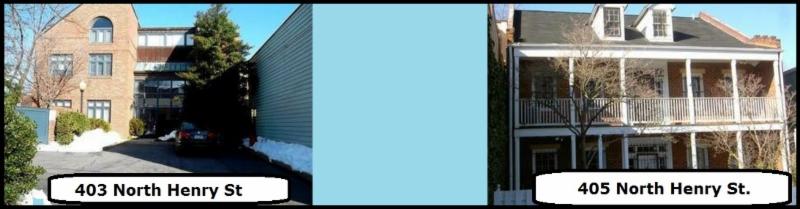
403 and 405 North Henry St


$1,415,000

 $1,135,000

Elkins Lane Real Estate
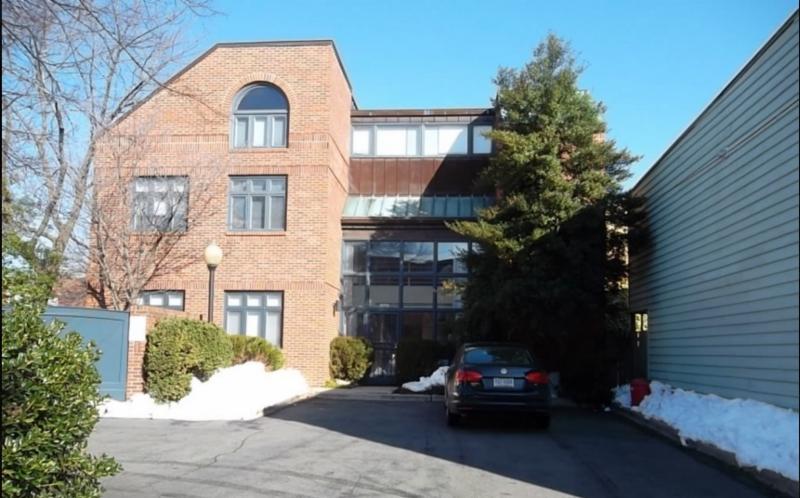
FOR SALE – 403 North Henry
Street, Alexandria, Va

405 North Henry

  • Sale Price: $1,415,000
  • Building Size: 4,132 SF
  • Building Class: A
  • Property Type: Office
  • Market: Alexandria 
  • Sub Market: Old Town Alexandria
  • Property Use Type: Investment

SALE! Tastefully decorated 4132/SF office
townhouse with up to 9 off street parking
spaces. 

Walk to Braddock Metro. 

Close to all the new condo and retail
development in North Old Town!..Any professional
office use. Can be sold with or without contiguous
bldg. 405 N. Henry for a total of 7457/SF ! Good
mix of open/office space. Floor plan available!
Call now for tour.

FOR
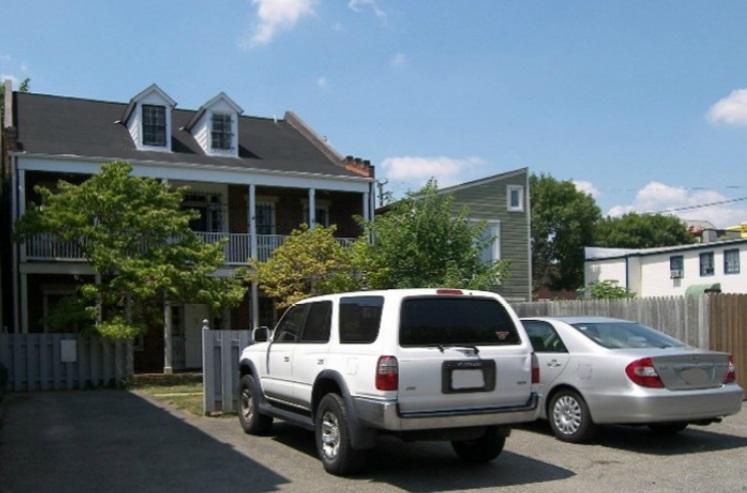
SALE 405 North Henry St.
Alexandria, Va
  • Listing ID: AX9562109403 N Henry Street
  • Tour ID: 21655
  • Listing Type: For Sale
  • Price: $1,135,000
  • Status: Active
  • Full Bathrooms: 1
  • Half Bathrooms: 2
  • Floors Above Ground: 3

Pristine
3 level office townhouse 4 blocks
from busy King Street in Old Town
Alexandria. Up to eleven off-street
parking spaces.


Charming Charleston style veranda
beckons a short break from the busy
business day. Six block walk to
Metrorail. 

Possible apartment on upper
level! This property may be combined
with a sister property at 403 North
Henry to aggregate 7457 SF and 16
onsight parking spaces; $2,550,000
for both, $1,415,000 for 403.


1101 Queens Street

Price - $2,600,000

1101 Queen St Alexandria Va

1101 Queen St Alexandria Va


Click here to see a Detail and Analysis Report 


CALL TODAY FOR MORE INFORMATION


703.519.0782


Click here to see a Financial Analysis Report


  • Property Use Type: Investment
  • Queen Street Alexandria VA
  • Building Size : 6,800 SF
  • Cap Rate: 6.8%
  • Price/SF: $382.35
  • Building Class: A
  • Property Type: Office Tenancy Multiple
  • Property Sub-type :Office Building
  • Lot Size:6,800 SF

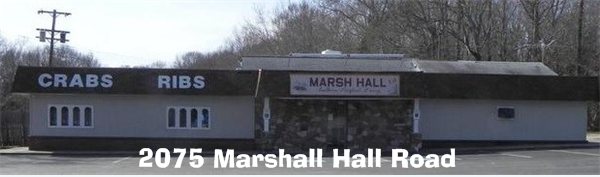
2075 Marshall Hall


Price – $425,000

Recent $100,000
renovation; possible owner financing.
FOR SALE – 2075
Marshall Hall Road, Bryans Road, MD
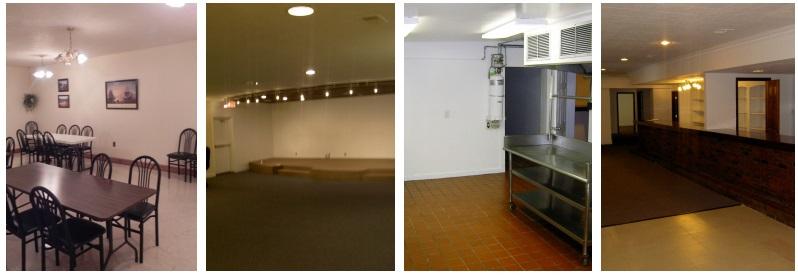
  • Free standing 6,268 sf
    building on a 32,670 sf lot.

    2075 Marshall Hall
Road, Maryland
  • 32 existing parking spaces
    with room for many more.

  • Former restaurant and
    church/school space; retail, medical, day care,
    office all possible.
  • Built out commercial kitchen
    with walk ins.
  • Plenty of green space.
  • 15 minutes from National
    Harbor and MGM Casino.
  • Large open area, bar space,
    kitchen and windowed offices.


DESCRIPTION & DETAILS

2075
Marshall Hall Road
 is 

  • Lot Size: 0.75 Acres
  • Cross
    Streets MD RT 210
  • Sub
    Market: Indian Head Highway
  • Market:
    Metro DC-Suburban Maryland
  • Zoning:
    Neighborhood Commercial
  • Building
    Size: 6,268 SF


1101 Queens Street – Investment Analysis

Please review the Financial Analysis for 1101 Queens Street Alexandria, call Scott Elkins if you have any questions at Work: (703) 519-0782 | Fax: (703) 725-8901

1101 Queen Street Financial Analysis Report

Getting the work done right.

We look at dozen and dozes of properties every month and hundreds within the year. When there is a problem with pest we only contact one place. Expestcontol.com – This guy knows how to keep the prices low and the service high.

We saw that there was an issue with termites and ants in a property in Silver Spring MD – John has had dozens of articles about this subject on his website and more importantly – he knows how to get rid of bugs once and for all.

His prices are lower than the big guys because he use the same quality pesticide but he does not have the layer after layer of employees to support … No expensive TV or Radio ads – just high quality pest control.

This is his website – check him out – www.expestcontrol.com